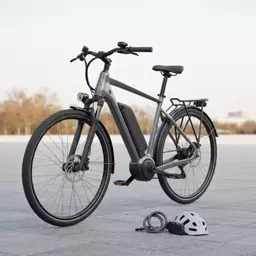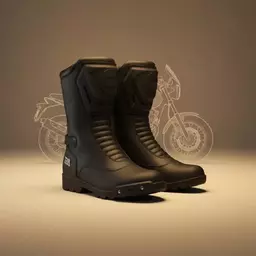
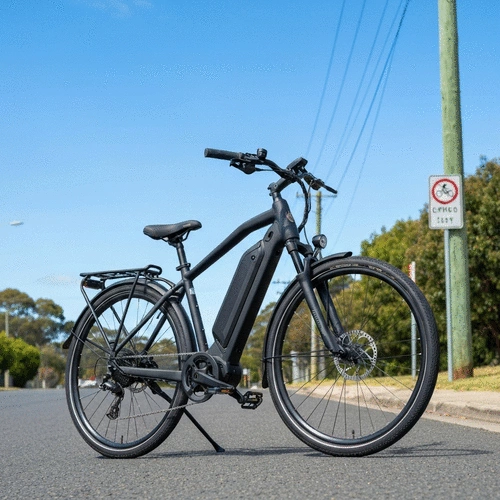
Are you ready to explore the world of electric bikes? Understanding the regulations surrounding e-bikes in Australia is essential for a smooth ride. Let's uncover the key insights that will empower your journey!
What You Will Learn
- Electric bikes in Australia are categorized into pedal-assist and throttle-only models, each with different regulations.
- Familiarizing yourself with local laws can help you avoid fines and ensure compliance while riding.
- Understanding electric bike classifications helps in choosing the right model that fits your riding needs.
- Staying informed on e-bike regulations contributes to a safer riding community and enhances your overall experience.
Electric Bike Classification and Licensing Considerations
Understanding the types of electric bikes and their implications for licensing is crucial for Australian riders. This visual outlines the key classifications and their regulatory importance.
E-Bike Classification: Types & Regulations
Pedal-Assist Models
- Motor assists pedaling
- Fewer restrictions likely
- Often treated like standard bicycles
Throttle-Only Models
- Propulsion without pedaling
- More stringent regulations
- May require licensing/registration
Licensing requirements vary by state and e-bike type.
Why Licensing Matters: Key Benefits
Staying Informed: Key Steps
Local transport newsletters
Connect with other riders
Real-time updates
New articles & guides
E-Bike Benefits: Environment & Health
- ✔ Reduced emissions
- ✔ Less traffic congestion
- ✔ Improved cardiovascular health
- ✔ Fuel & maintenance savings
Understanding Electric Bike Licensing Requirements in Australia
Are you thinking about diving into the world of electric bikes? Great choice! But before you start zooming around, it's crucial to understand what electric bikes are and how they fit into the regulations here in Australia. Electric bikes (e-bikes) can generally be categorized into two types: pedal-assist and throttle-only models. Pedal-assist bikes provide power as you pedal, while throttle-only bikes allow you to ride without pedaling at all.
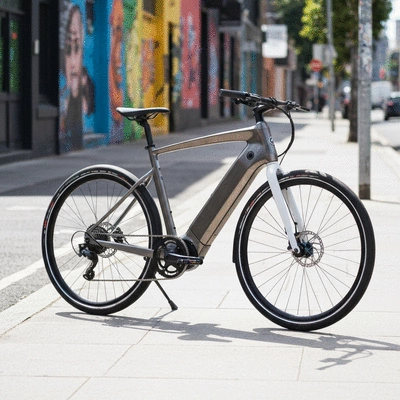
Knowing these classifications is essential because they often dictate the licensing and regulatory requirements. For instance, some states have different rules for pedal-assist bikes compared to throttle-only models. So, let’s ensure you’re clear on these distinctions right from the start! For those interested in understanding the broader licensing landscape, our Motor Bike Licence Guide NSW 2026 provides comprehensive information.
What Are Electric Bikes and How Are They Classified?
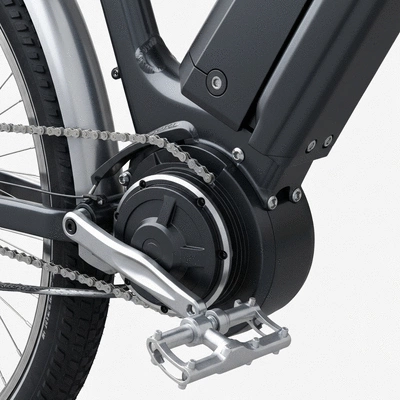
Electric bikes are essentially bicycles equipped with a small electric motor that can assist you as you ride. The key difference lies in how they function:
- Pedal-assist models: These require you to pedal but give you a boost, making hills and long rides much easier.
- Throttle-only models: These allow you to ride without pedaling—just twist the throttle and go!
Understanding these classifications helps you determine which type suits your riding needs and what regulations you need to follow. If you’re eyeing a pedal-assist bike, you’ll likely face fewer restrictions compared to a throttle-only model.
Why Electric Bike Licensing Matters for Beginners
Knowing the licensing requirements for electric bikes is crucial, especially for beginners. It’s not just about avoiding fines; it’s about ensuring your own safety and compliance with local laws. Each state has different regulations, and being informed can save you a lot of hassle down the road.
- Avoiding fines: Riding an e-bike that doesn't comply with local laws can lead to hefty fines.
- Compliance with regulations: Understanding the rules helps you enjoy your ride without worry.
- Safety first: Knowing the laws can also guide you in selecting the right safety gear and understanding road rules.
As someone who is passionate about motorcycle safety, I can’t stress enough how vital it is to stay informed. Familiarizing yourself with the licensing requirements sets you up for a confident and enjoyable riding experience. For those considering a different type of two-wheeled adventure, our guide on Electric vs. Traditional Motor Bikes offers valuable insights.
Navigating Licensing Requirements in New South Wales (NSW)
Now that we've covered the basics, let’s dive into the specific licensing requirements for electric bikes in New South Wales (NSW). This region has its own set of rules, which is important to understand as you prepare for your e-bike adventure.
Pro Tip
When choosing an electric bike, consider testing both pedal-assist and throttle-only models. This will help you determine which style best suits your riding preferences and needs. Additionally, make sure to check the local regulations specific to your area, as they can significantly impact your riding experience!
Frequently Asked Questions About E-Bike Regulations in Australia
What are the main types of electric bikes in Australia?
Electric bikes in Australia are generally categorized into two types: pedal-assist models, which provide motor assistance only when you pedal, and throttle-only models, which can be propelled solely by the motor without pedaling.
Why is understanding e-bike classification important for riders?
Understanding e-bike classification is crucial because different types of e-bikes are subject to varying licensing and regulatory requirements, which can differ by state. This knowledge helps riders choose the right model and comply with local laws.
What are the benefits of knowing electric bike licensing requirements?
Knowing the licensing requirements helps riders avoid fines, ensures compliance with local regulations, and promotes overall safety. It also guides riders in selecting appropriate safety gear and understanding road rules.
How can I stay informed about changes in e-bike regulations?
You can stay informed by subscribing to newsletters from local transport authorities, joining online forums, following relevant social media channels, and regularly checking blogs and guides from trusted resources like Motor Bike Hub.
What are the environmental and health benefits of riding e-bikes?
E-bikes offer significant benefits such as reduced carbon emissions, less traffic congestion, improved cardiovascular health through regular riding, and cost savings on fuel and vehicle maintenance.
Conclusion: Ensuring Compliance with E-Bike Licensing Requirements
In summary, understanding the licensing requirements for electric bikes is essential for safe and enjoyable riding. As you venture into the world of e-bikes, being aware of your local laws not only helps you avoid fines but also enhances your overall riding experience. Knowledge is power, and being informed about regulations allows you to ride with confidence!
Being mindful of the rules ensures that you can enjoy the freedom of the open road without unexpected interruptions. Remember, it's not just about compliance; it's about being a responsible member of the biking community.
Encouragement to Stay Informed and Engaged
As regulations evolve, I encourage you to stay informed and engaged with the latest updates. Following trusted resources—like Motor Bike Hub—can keep you up-to-date with any changes in e-bike laws and safety practices. Here's a quick list of ways to ensure you’re always in the know:
- Subscribe to newsletters from local transport authorities.
- Join online forums focused on electric biking.
- Follow us on social media for real-time updates.
- Check out our blog regularly for new articles and guides.
By staying connected, you not only equip yourself with valuable information but also contribute to a safer riding environment for everyone. Engagement fosters community!
Join the Community of Responsible E-Bike Riders
I invite you to share your experiences and any questions you may have in the comments below! At Motor Bike Hub, we believe that sharing knowledge helps us all grow as riders. Whether you’re a seasoned pro or a new enthusiast, your stories and insights can inspire others to ride safely and responsibly.
Remember, we’re all in this together. Engaging in discussions can lead to a stronger community, where everyone supports each other in their biking journeys. For those interested in how e-bikes fit into daily life, explore our article on Electric Bikes for Aussie Commuters.
The Environmental and Health Benefits of E-Bikes
Lastly, let’s not forget the significant environmental and health benefits that come with choosing e-bikes. By opting for electric bikes, you’re not only helping to reduce carbon emissions but also promoting a healthier lifestyle. Here are some key benefits to consider:
- Less traffic congestion and reduced air pollution.
- Improved cardiovascular health through regular riding.
- Cost savings on fuel and vehicle maintenance.
- Easy commuting options for short distances.
Imagine contributing to a greener planet while also getting fit and enjoying the ride! It’s a win-win situation that makes e-biking an excellent choice for everyone.
Recap of Key Points
Here is a quick recap of the important points discussed in the article:
- Electric bikes are categorized into pedal-assist and throttle-only models, each with different regulatory requirements.
- Understanding local licensing requirements is crucial for avoiding fines and ensuring safety while riding.
- Each Australian state has specific rules, particularly in New South Wales, which riders should familiarize themselves with before riding.
- Staying informed about e-bike regulations helps promote a safer riding environment and community engagement.
- The benefits of e-bikes extend beyond convenience, contributing to environmental sustainability and improved health.