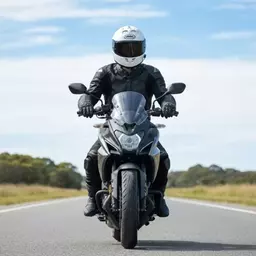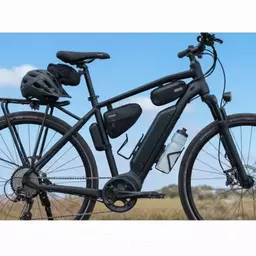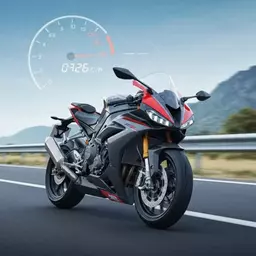
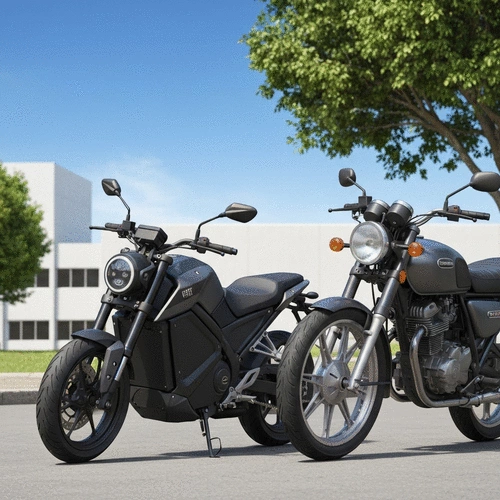
As the world shifts towards more sustainable options, the choice between electric and traditional motorbikes is becoming increasingly relevant. With advancements in technology and changing consumer preferences, it's essential to understand what each type offers. What factors should you consider when making this decision?
What You Will Learn
- Electric motorbikes excel in acceleration and torque due to instant power delivery.
- Traditional motorbikes generally have longer ranges and higher top speeds, making them ideal for longer rides.
- Advancements in electric bike technology have improved their range, with some models now exceeding 200 kilometers on a single charge.
- Lithium-ion batteries are commonly used in electric bikes, offering durability and longer lifespans compared to older battery technologies.
- The charging infrastructure for electric bikes is expanding, with more public charging stations becoming available in urban areas.
- Environmental sustainability and lower operating costs make electric bikes a compelling choice for urban commuting.
- Understanding the pros and cons of both types can help you tailor your choice to your specific commuting needs.
Electric vs. Traditional Motorbikes: Performance and Range Overview
A comparative look at the key characteristics distinguishing electric and traditional motorbikes in terms of performance and range.
Electric Motorbikes: Key Advantages
- ✓Instant Torque & Quick Acceleration
- ✓Zero Emissions & Quieter Operation
- ✓Lower Operating Costs (Maintenance)
- ✓Advancements in Battery Technology (200km+ Range)
Traditional Motorbikes: Key Strengths
- ✓Higher Top Speeds (Highway Cruising)
- ✓Longer Range & Rapid Refueling
- ✓Established Technology & Service Availability
- ✓Wider Performance for High-Speed Scenarios
Understanding the Key Differences Between Electric and Traditional Motorbikes
As a passionate motorbike enthusiast, I often get asked about the differences between electric and traditional motorbikes. It's a fascinating topic, especially as more riders consider switching to electric models. Let's dive into the key aspects that set these two types apart, from performance to charging technology! For Australian riders looking to make the switch, understanding the nuances of electric bikes for Aussie commuters is increasingly important.
Both electric and traditional motorbikes have unique characteristics, and understanding these can help you make a more informed choice for your riding journey. Whether you're commuting through busy streets or enjoying leisurely rides, knowing what to expect can make all the difference.
Performance Comparison: Acceleration, Torque, and Top Speed
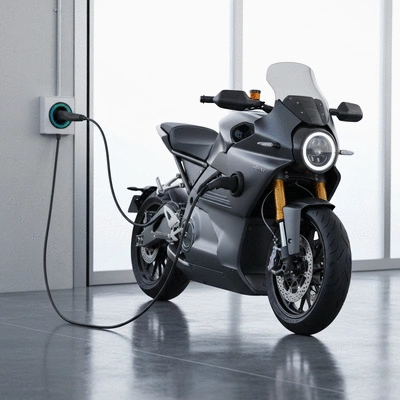
When it comes to performance, both electric and traditional motorbikes offer distinct advantages. Generally speaking, electric bikes tend to excel in acceleration due to their instant torque. This means you can zoom off the line with ease! On the other hand, traditional motorbikes often have higher top speeds, making them more suitable for long-distance rides.
- Acceleration: Electric bikes have quick takeoff capabilities, while gas bikes may take a few moments to reach peak performance.
- Torque: Electric bikes deliver immediate power, giving riders a thrilling experience right from the start.
- Top Speed: Traditionally, gas bikes can achieve higher speeds, making them ideal for highway cruising.
While both types can be thrilling to ride, your choice might depend on how you plan to use your bike. Do you prefer quick bursts of speed in the city, or are you looking for something that can handle long-distance travel? Understanding these differences can help you find the right fit!
Range and Charging: How Do Electric Motorbikes Measure Up?
Range is a crucial factor for many riders when comparing electric and traditional motorbikes. Usually, traditional bikes can cover longer distances on a single tank of petrol compared to their electric counterparts. However, advancements in electric bike technology are rapidly improving their range. Some electric models can now travel over 200 kilometers on a single charge!
- Traditional Bikes: Generally have a longer range, making them suitable for extended rides.
- Electric Bikes: Recent models boast impressive ranges, perfect for daily commuting.
- Charging Time: Electric bikes usually require a few hours to fully charge, while traditional bikes can be refueled in minutes.
As electric technology continues to advance, the gap is closing. If you’re primarily commuting, an electric bike might serve you well without range anxiety. However, if you're planning long trips, it might be worth considering traditional options. Before hitting the road, make sure you're properly licensed, especially if you're in New South Wales, by checking out our motor bike licence guide NSW.
Battery Technology: The Heart of Electric Motorbikes
The battery is truly the heart of any electric motorbike. Modern electric bikes typically use lithium-ion batteries, known for their durability and efficiency. These batteries not only provide consistent power but also have a longer lifespan compared to older technologies. However, the battery capacity can vary between models, impacting range and performance.
- Lithium-Ion Batteries: Most common in electric bikes, offering reliable power and longevity.
- Battery Capacity: Measured in kilowatt-hours (kWh), affecting the bike’s range and charging time.
- Battery Management Systems: Advanced systems help optimize performance and prolong battery life.
Understanding the battery technology behind electric bikes can empower you as a rider. By choosing models with better battery management systems, you can ensure a smoother and more reliable ride!
Charging Infrastructure: Availability and Convenience for Commuters
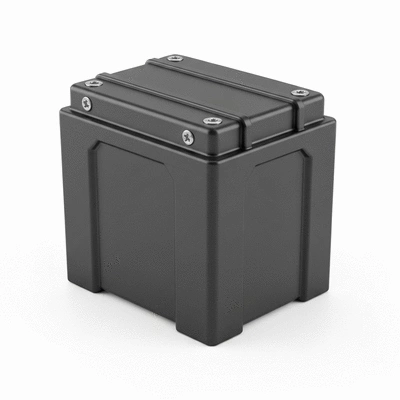
Charging infrastructure is another important consideration for electric motorbikes. Fortunately, charging stations are becoming more widely available, especially in urban areas. While some riders may feel hesitant about finding a charging point, developments in Australia are making this less of a concern!
- Public Charging Stations: Increasing rapidly in cities, making it easier for commuters.
- Home Charging Options: Many riders prefer to charge their bikes overnight, similar to charging a phone!
- Fast Charging: Some stations offer fast charging options, reducing downtime significantly.
As the electric motorbike community grows, so does the support network. If you’re considering an electric bike, rest assured that the charging landscape is improving, making your ride more convenient than ever!
Pro Tip
Did you know? When considering an electric motorbike, always check for models with regenerative braking systems. This technology not only extends your range but also enhances energy efficiency by converting kinetic energy back into battery power during deceleration. It's a smart way to maximize your riding experience and keep your bike charged while on the move!
Summarizing the Pros and Cons for Australian Commuters
As we dive into the world of motorbikes, it’s crucial to weigh the pros and cons of electric versus traditional models. Each has its unique strengths that cater to different commuting needs. In this section, we'll break down the essential benefits and drawbacks for Australian riders, helping you make an informed decision tailored to your lifestyle!
When considering electric motorbikes, you’ll find that they often excel in areas like environmental impact and operating costs. Conversely, traditional bikes may win when it to initial purchase price and the familiarity of technology. So, what should you consider to make the best choice?
- Electric Motorbikes:
- Lower operating costs due to less maintenance
- Zero emissions for a greener commute
- Quieter rides, reducing noise pollution
- Traditional Motorbikes:
- More extensive range and faster refueling
- Established technology with widespread service availability
- Greater performance in high-speed scenarios
Ultimately, the choice may depend on your specific commuting patterns and environmental values. A deeper understanding of these factors will certainly help!
Key Takeaways: When to Choose Electric Over Traditional Motorbikes
When exploring the decision to choose an electric or traditional motorbike, there are key factors to keep in mind. Here’s a quick recap of when opting for an electric model may be beneficial:
- If you prioritize environmental sustainability and aim to reduce your carbon footprint.
- When your daily commute is typically under the bike’s range capacity.
- If you desire a quieter ride that contributes to less noise pollution in urban areas.
- When you’re eligible for government incentives that can offset costs.
There’s no one-size-fits-all answer! It’s about aligning the bike's capabilities with your commuting lifestyle.
Final Recommendations: Tailoring Your Choice to Your Commuting Needs
In the end, your choice between electric and traditional motorbikes should cater to your unique needs. If you find yourself navigating city traffic daily, an electric bike could be a fantastic fit, offering lower maintenance and a smooth, quiet ride. However, if your rides extend into rural areas or require a greater range, a traditional model may be your best bet.
As an avid rider myself, I always recommend taking each model for a test ride. It’s an engaging way to feel out what works best for you and your commute. Don’t forget to consider essential accessories, such as ensuring you have the right motorcycle boots for Aussie riders, as they can enhance your riding experience significantly!
Market Trends: The Future of Electric Motorbikes and Consumer Preferences
The electric motorbike market is rapidly evolving, with innovations continuously emerging. According to industry trends, more riders are leaning towards electric options due to their environmental benefits and lower long-term costs. Additionally, many manufacturers are investing in improving battery technology, which enhances overall performance.
Moreover, the Australian government’s push for sustainable transport solutions is paving the way for increased electric bike adoption. Picture this: in just a few years, electric bikes could become a common sight on our streets, promoting a cleaner, greener future. If you have insights or personal experiences with electric bikes, I’d love to hear your thoughts!
Frequently Asked Questions (FAQs)
- Q1: What are the main performance differences between electric and traditional motorbikes?
- Electric motorbikes offer instant torque and quick acceleration, making them ideal for city riding. Traditional motorbikes generally have higher top speeds and are better suited for long-distance highway cruising.
- Q2: How does the range of electric motorbikes compare to traditional ones?
- Traditional motorbikes typically have a longer range due to faster refueling. However, advancements in electric battery technology mean some electric models now offer ranges exceeding 200 kilometers on a single charge, making them suitable for daily commuting.
- Q3: What type of battery is commonly used in electric motorbikes?
- Modern electric motorbikes predominantly use lithium-ion batteries, which are known for their durability, efficiency, and longer lifespan. Advanced Battery Management Systems (BMS) further optimize their performance and longevity.
- Q4: Is the charging infrastructure for electric motorbikes readily available?
- The charging infrastructure for electric motorbikes is rapidly expanding, especially in urban areas. Public charging stations are becoming more common, and many riders also opt for convenient home charging. Fast-charging options are also emerging to reduce downtime.
- Q5: What are the environmental benefits of choosing an electric motorbike?
- Electric motorbikes produce zero emissions, contributing to a greener commute and reduced air pollution. They also operate more quietly, lessening noise pollution in urban environments, and often have lower operating costs due to reduced maintenance needs.
Engage with Our Community: Share Your Thoughts and Experiences
Now that we’ve explored the pros and cons, it’s your turn to join the conversation! The community at Motor Bike Hub thrives on shared experiences and insights from fellow riders. Your voice matters, and together, we can foster a supportive environment for all motorbike enthusiasts.
Join the Discussion: Electric vs. Traditional Motorbike Polls
We encourage you to participate in our polls and share your preferences regarding electric and traditional motorbikes. Your input helps shape the discussions we have and the content we create. Plus, it's a fun way to see where everyone stands on this exciting topic!
Get Involved: How to Contribute to Our Ongoing Exploration of Commuting Solutions
If you’re passionate about motorcycles and want to contribute further, we welcome guest articles, personal stories, and reviews. At Motor Bike Hub, we believe every rider has a unique journey worth sharing. Let’s combine our knowledge and experiences to elevate the riding community here in Australia!
Recap of Key Points
Here is a quick recap of the important points discussed in the article:
- Performance: Electric bikes excel in acceleration due to instant torque, while traditional bikes offer higher top speeds.
- Range: Traditional bikes generally provide a longer range, but advancements in electric technology are closing this gap.
- Battery Technology: Modern electric bikes use lithium-ion batteries, which offer durability and efficiency.
- Charging Infrastructure: Charging stations are becoming more common, especially in urban areas, making electric bikes more convenient.
- Environmental Impact: Electric bikes contribute to lower emissions and operating costs, appealing to eco-conscious riders.