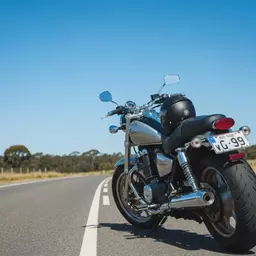

Riding in Melbourne is genuinely enjoyable, but every rider eventually faces a situation where the bike stops cooperating. When that happens, professional motorcycle towing is usually the safest and most practical response.
Getting it right means knowing what to do before the problem happens, not scrambling for answers while standing on the side of a road with traffic passing at speed. This guide covers everything a Melbourne rider needs to know about handling a breakdown, protecting the bike, and choosing a towing service worth trusting.
The good news is that preparation is simple. The riders who handle breakdowns well are not lucky. They just made a few decisions in advance that paid off at exactly the right moment.
The real risk of improvised towing
When a motorcycle breaks down, the temptation is to call a friend with a ute, throw some rope around the frame, and figure it out. That approach works out badly more often than people expect, and the reasons are mechanical rather than unlucky.
A motorcycle frame has specific load points designed to handle stress in specific directions. Ropes, chains, and flat tow straps applied to the wrong part of the bike pull in directions those components were never designed to handle. The steering head, front forks, subframe, and swingarm are all vulnerable. On a bike that is already broken down, adding frame stress, fairing cracks, or fork damage turns a single repair job into several.
Flatbed vehicles without wheel chocks allow the motorcycle to shift in transit. Even gentle braking can cause a bike to roll forward, tip sideways, or place an uneven load on a strap that was holding it level. The result can be a fall inside the tray, which causes the kind of widespread cosmetic and mechanical damage that is both expensive and completely avoidable.
There is also the safety issue for the person driving. A poorly loaded motorcycle on an open tray changes vehicle balance, creates a distraction if it moves, and can become a serious hazard if it falls at speed. None of that is worth saving on a towing fee.
When your only option is to call a tow
Some riders push through minor issues and ride home slowly. That is sometimes fine. A rough idle, a slight power loss, or a minor warning light may not require immediate action, depending on what the rider knows about their bike. But there are clear situations where riding is the wrong call, and towing is the only sensible choice.
Stop riding and call for towing when:
-
The engine has cut out completely and will not restart after basic checks.
-
There is a loud mechanical noise, such as knocking, grinding, or a chain snap.
-
The bike has been dropped and has visible damage to controls, wheels, or structural components.
-
A tyre has gone flat and cannot be safely repaired roadside.
-
The brake feel has changed suddenly, or a lever has gone soft or to the bar.
-
There is a fuel, oil, or coolant leak that is more than a minor drip.
-
Electrical faults have caused warning lights, loss of instruments, or unusual behaviour.
-
The clutch, gearbox, or throttle is not responding normally.
Continuing to ride in any of these conditions risks turning a mechanical problem into a safety incident. In some cases, it also makes the repair more complex and expensive because a minor fault that would have been a one-part fix becomes a larger failure with associated damage.
How Melbourne's road network affects towing response
Melbourne has a wide and varied road network, and where your breakdown happens significantly affects how the towing process plays out. A breakdown in Fitzroy or South Yarra is a very different logistical situation from one on the Monash Freeway at peak hour or on a regional road near the outer suburbs.
On Melbourne freeways such as the Eastern, Monash, or CityLink, there are strict protocols around broken-down vehicles. VicRoads incident response is active on these roads, and riders are expected to move to the emergency lane and stay there. Freeways are not places to wait casually. The faster a tow truck can be arranged, the better. Some towing services have priority response arrangements for freeway breakdowns, which can shorten wait times significantly.
In the CBD, access for larger vehicles can be restricted during business hours. A towing service familiar with Melbourne's clearway rules, loading zones, and lane restrictions will navigate this far better than one working from a generic map. That local knowledge matters when your bike is on a busy street and the window for recovery is narrow.
In Melbourne's outer suburbs and growth corridors like Pakenham, Werribee, and Craigieburn, response times are naturally longer. The trade-off is that roads tend to be less congested and finding a safe place to wait with the bike is usually easier. Riders who frequently travel those routes should confirm that their preferred towing service covers the distance before they need to use it.
What a professional tow actually involves
Understanding the process helps riders know what to expect and how to communicate effectively when they make the call. A professional motorcycle tow follows a consistent sequence that covers assessment, loading, transit, and delivery.
The sequence looks like this:
-
The rider calls with location details, bike description, and a clear explanation of the problem.
-
The operator confirms response time, vehicle type, and any information needed about access or bike condition.
-
On arrival, the operator inspects the motorcycle before touching it, noting existing damage and planning the loading approach.
-
The bike is guided or lifted onto the vehicle using a ramp designed for the purpose, not improvised inclines.
-
A wheel chock secures the front wheel in an upright position, eliminating forward and lateral roll.
-
Soft loop straps are attached to appropriate frame points and tensioned carefully to hold the bike without damaging bodywork, cables, or plastics.
-
A final check confirms the bike is stable before the vehicle moves.
-
Delivery is made to the agreed destination, whether that is a workshop, home address, dealership, or storage location.
Communication through that process is what separates a good service from a frustrating one. Riders should expect a clear arrival window, not a vague promise, and a straightforward handover at the destination. If the workshop is closed on arrival, or the home address has access issues, those details need to be discussed before the truck departs.
Protecting yourself financially after a towing incident
Many riders are surprised to learn that their motorcycle insurance may include roadside assistance or towing cover as part of the policy. It is worth checking your policy documents before a breakdown happens, not after. Some comprehensive motorcycle insurance policies cover towing to the nearest repairer. Others include it as an optional add-on that many riders decline without fully understanding what they are giving up.
If your policy does include towing cover, there are usually conditions. The tow may need to go to an approved repairer. There may be a distance limit. You may need to call a designated number rather than booking a service independently. Knowing those details in advance means you can act quickly and correctly when the moment arrives.
For riders without towing cover in their insurance, the out-of-pocket cost varies based on distance and time of day. Keeping a small emergency fund specifically for motoring situations is a practical habit that makes an already stressful day much easier to manage.
What to look for in a Melbourne towing service
The right provider for motorcycle towing is not necessarily the closest one or the cheapest one. It is the one that understands motorcycles, operates with proper equipment, and communicates clearly from the moment you call.
Key things to confirm before you add a service to your contacts:
-
They use flatbed or enclosed vehicles with wheel chocks and proper motorcycle restraints, not a general tow truck with improvised straps.
-
They have direct experience with your type of motorcycle, whether that is a sports bike, cruiser, adventure bike, scooter, or classic.
-
They are clear about pricing and give an estimate before the truck arrives.
-
Their coverage area includes the routes you ride most frequently, including freeways, regional roads, and outer suburban areas.
-
They can deliver to your preferred workshop or location, not just a central depot.
-
They are reachable after hours, on weekends, and on public holidays. Breakdowns do not work business hours.
Checking online reviews for motorcycle-specific mentions is a useful filter. Riders tend to be specific about their experiences, particularly when something went wrong with handling. A consistent pattern of positive feedback from motorcyclists is a stronger signal than a general five-star average that covers cars, vans, and trucks as well.
Building a short list of two or three trusted services and keeping their numbers in your phone takes about five minutes. In the middle of a breakdown, those five minutes of earlier preparation are worth far more than the effort they required.