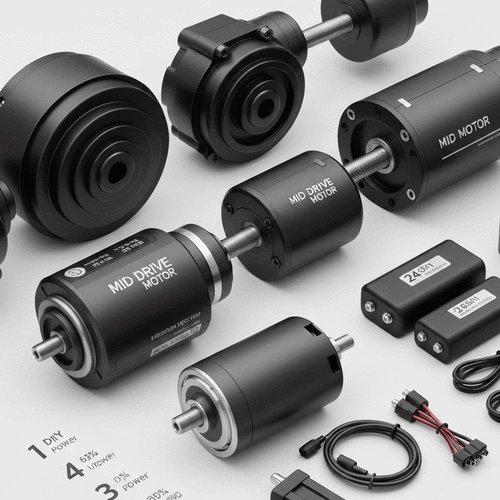
When it comes to enhancing your riding experience, the type of motor in your e-bike can make all the difference. Understanding the unique features of mid-drive and hub motors empowers you to make informed decisions that align with your biking needs.
What You Will Learn
- Mid-drive motors provide better performance on steep inclines and improved weight distribution.
- Hub motors are more affordable and ideal for newcomers, offering ease of maintenance.
- Battery capacity significantly impacts the performance and range of mid-drive motors.
- Choosing between front and rear hub motors can influence your bike's balance and acceleration.
- Evaluate whether upgrading your motor or purchasing a new e-bike best meets your needs.
- Familiarize yourself with regional regulations to ensure compliance with e-bike classifications.
E-Bike Motors: Mid-Drive vs. Hub Motors Comparison
This comparison highlights the key differences and features of mid-drive and hub motors, helping riders choose the best option for their needs.
Mid-Drive Motors: Performance & Efficiency
- •Improved performance on steep inclines
- •Uses bike's gears, enhancing efficiency
- •Superior weight distribution for better handling
Top Brands:
Bosch Performance Line, Yamaha PWseries SE, Brose Drive S Mag
Hub Motors: Affordability & Simplicity
- •Often more affordable and simpler setup
- •Less maintenance required
- •Good for entry-level riders
Top Brands:
Shimano STEPS, Sunstar, TransX
Mid-Drive: Battery Capacity Impact
- •Higher capacity = longer rides
- •Less frequent charging for long distances
- •Crucial for commuters and adventure seekers
Example:
500Wh battery allows for significantly further rides
Hub Motor: Geared vs. Direct Drive
- •Geared: More torque, ideal for climbing hills
- •Direct Drive: Smoother ride at higher speeds
- •Choice depends on riding style (e.g., steep climbs need geared)
Types of Hub Motors:
Front hub (balance/steering) vs. Rear hub (traction/power)
Understanding E-Bike Motors: Types and Their Unique Features
As an avid motor bike enthusiast, I've often found myself captivated by the mechanics that make our rides possible. When it comes to e-bikes, understanding the different types of motors is crucial for any rider looking to optimize their experience. E-bike motors generally fall into two main categories: mid-drive motors and hub motors. Both have unique features and benefits that cater to various riding styles and conditions.
Let’s dive deeper into these motor types and discover how they can enhance your riding experience!
Mid-Drive Motors: Performance and Efficiency Insights
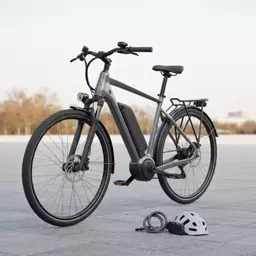
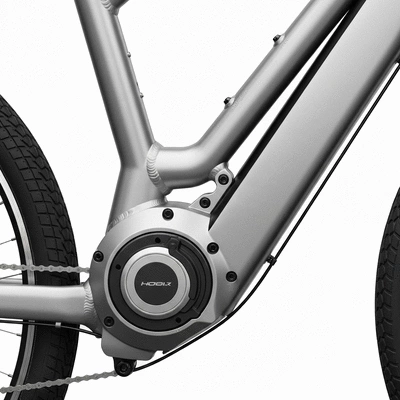
Mid-drive motors are positioned at the bike's crankset, allowing for a more balanced weight distribution. This placement generally results in better handling and improved efficiency, especially when it comes to climbing hills or navigating rough terrain. Here are a few key advantages of mid-drive systems to consider:
- Improved performance on steep inclines
- Ability to use the bike's gears, enhancing efficiency
- Superior weight distribution for better handling
For those who love tackling challenging trails or commuting in hilly areas, mid-drive motors can be a game changer! If you're considering an e-bike for your daily commute, check out our guide on electric bikes for Aussie commuters.
Advantages of Mid-Drive Systems for Various Riding Conditions
Mid-drive systems shine in diverse riding conditions. They provide torque where it's most needed, making uphill climbs feel less daunting. Moreover, the gear-shifting capability allows you to adapt more easily to different terrains. This adaptability can significantly improve your overall riding experience, whether you're commuting to work or enjoying a leisurely weekend ride.
Top Brands and Models of Mid-Drive Motors
When it comes to mid-drive motors, several brands stand out in the market. Some of the top contenders include:
- Bosch Performance Line
- Yamaha PWseries SE
- Brose Drive S Mag
These brands are known for their reliability and performance, making them a popular choice among e-bike manufacturers in Australia.
Battery Capacity and Its Impact on Mid-Drive Motor Performance
Battery capacity plays a significant role in the performance of mid-drive motors. A higher capacity means longer rides and less frequent charging. For example, a bike equipped with a 500Wh battery will typically allow you to ride further before needing a recharge. This is particularly beneficial for long-distance commuters and adventure seekers alike. So, when choosing a mid-drive e-bike, consider the battery capacity to ensure it meets your riding needs!
Hub Motors: Affordability and Simplicity Explained
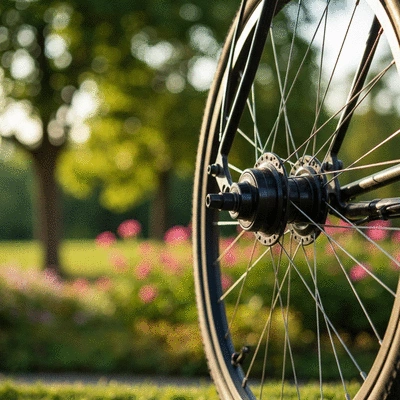
Hub motors are often found in entry-level e-bikes and are loved for their simplicity and affordability. These motors are located in the wheel hub, providing a straightforward setup that requires less maintenance. If you’re a newcomer to the biking world, a hub motor might be the perfect choice for you! For a broader understanding of e-bike regulations, especially regarding licensing, you might find our article on electric bike licensing in NSW and SA helpful.
Differences Between Front and Rear Hub Motors
Hub motors come in two main types: front and rear. Each has its unique benefits:
- Front hub motors: Better for balance and steering, making them ideal for commuting.
- Rear hub motors: Offer better traction and power when accelerating, perfect for off-road rides.
This choice can greatly influence your overall riding experience, so think about your typical riding conditions!
Popular Hub Motor Brands and Their Offerings
There are several reputable brands that produce hub motors known for their performance and durability. Some notable names include:
- Shimano STEPS
- Sunstar
- TransX
Each of these brands offers models that cater to different needs, ensuring that there's something for everyone!
Understanding Geared vs. Direct Drive Hub Motors
When looking at hub motors, you’ll come across two primary types: geared and direct drive. Geared hub motors provide more torque, making them ideal for climbing hills, while direct drive motors offer a smoother ride at higher speeds. Consider your riding style when choosing between these two options. For instance, if you plan to tackle steep inclines, a geared hub motor might be your best bet! To learn more about different types of motorbikes and their characteristics, read our comparison of electric vs. traditional motorbikes.
Pro Tip
When selecting an e-bike motor, consider not just your immediate needs but also future upgrades. Investing in a motor with higher torque can pay off in the long run, especially if you plan on tackling more challenging terrains or using your bike for longer commutes. This foresight can enhance your riding experience significantly!
Frequently Asked Questions about E-Bike Motors
What is the main difference between mid-drive and hub motors?
Mid-drive motors are located at the bike's crankset, offering better weight distribution, efficiency, and performance on inclines by utilizing the bike's gears. Hub motors are in the wheel hub, known for their affordability, simplicity, and ease of maintenance, making them ideal for entry-level riders.
Which type of e-bike motor is better for climbing hills?
Mid-drive motors are generally superior for climbing hills due to their ability to use the bike's gearing system, providing more torque and efficient power delivery. Geared hub motors also offer good torque for hills compared to direct-drive hub motors.
How does battery capacity affect mid-drive motor performance?
Higher battery capacity directly translates to longer riding ranges and less frequent charging. For mid-drive motors, a larger battery (e.g., 500Wh) is particularly beneficial for long-distance commuters and adventure riders, ensuring the motor can assist for extended periods.
Should I choose a front or rear hub motor?
The choice depends on your riding style. Front hub motors offer better balance and steering, which is good for commuting. Rear hub motors provide superior traction and power for acceleration, making them suitable for off-road riding or where more direct power to the drive wheel is preferred.
What maintenance is required for e-bike motors?
Key maintenance tips include checking and tightening electrical connections, regularly inspecting the battery for wear, cleaning the motor casing to prevent dirt buildup, and following manufacturer guidelines for software updates. Regular maintenance extends the lifespan and ensures smooth performance of your e-bike motor.
Concluding Thoughts: Making Informed Decisions on E-Bike Motors
As we wrap up our deep dive into e-bike motors, it's essential to reflect on what you’ve learned. Choosing the right motor isn't just about picking a brand; it involves understanding how different features align with your riding style and needs. Whether you’re commuting through busy streets or tackling rugged trails, the right motor can enhance your experience significantly!
Here’s a quick summary of key takeaways to keep in mind:
- Consider your riding style—different motors suit various conditions.
- Look at power and torque ratings to ensure optimal performance.
- Evaluate the benefits of upgrading versus purchasing a new e-bike.
- Understand regional regulations for e-bike classes to stay compliant.
Key Takeaways for Choosing and Upgrading E-Bike Motors
When choosing an e-bike motor, it’s important to assess your personal needs and preferences. Start by asking yourself the following questions:
- What type of riding will I primarily be doing?
- Do I prefer a motor that offers higher torque for climbing?
- Am I looking for a cost-effective upgrade to my current bike?
By evaluating these aspects, you’ll be better equipped to select a motor that truly enhances your riding experience. Remember, at Motor Bike Hub, I’m always here to guide you through the details, helping you make informed choices!
Call to Action: Share Your E-Bike Motor Experiences and Upgrade Tips
I’d love to hear your thoughts! Have you upgraded your e-bike motor recently? What challenges did you face? Sharing your experiences can help fellow riders make better decisions. Let’s build a supportive community around our shared passion for biking!
Engage with the Community: Ask Questions and Share Insights
Feel free to drop your questions in the comments below! Whether you’re curious about specific motor brands or need advice on installation, there’s a wealth of knowledge among our community members. We’re all here to learn and grow together!
Maintenance Tips for Sustaining E-Bike Motor Performance
To keep your e-bike motor running smoothly, regular maintenance is key. Consider the following tips:
- Check and tighten all electrical connections frequently.
- Inspect the battery regularly for any signs of wear.
- Clean the motor casing to prevent dirt buildup.
- Follow manufacturer guidelines for software updates.
These simple steps can extend the lifespan of your motor, ensuring you enjoy many adventures ahead. Remember, the journey is just as important as the destination, so let’s keep those rides smooth and enjoyable!
Recap of Key Points
- E-bike motors are primarily categorized into mid-drive and hub motors, each with unique features suited for different riding styles.
- Mid-drive motors offer better performance on steep inclines and improved handling due to their weight distribution.
- Hub motors are simpler and more affordable, making them ideal for entry-level e-bikes.
- Battery capacity significantly impacts the performance and range of mid-drive motors; consider this when choosing your e-bike.
- Evaluate your riding conditions and preferences when selecting between front and rear hub motors.
- Regular maintenance is essential to ensure longevity and performance of your e-bike motor.