Are you aware of the crucial factors that can significantly enhance your safety while riding a motorcycle? Understanding motorcycle helmet safety standards is indispensable for every rider who wants to hit the road with confidence.
What You Will Learn
- The difference between AS/NZS 1698 and ECE 22.06 helmet safety standards and their importance in Australia.
- How to interpret CRASH ratings and star systems for helmets to ensure optimal safety.
- Key testing methods for helmets, including drop, penetration, and retention tests, that ensure helmet integrity.
- The significance of comfort, fit, and essential features in selecting the right helmet for your riding style.
Motorcycle Helmet Safety Standards & Ratings
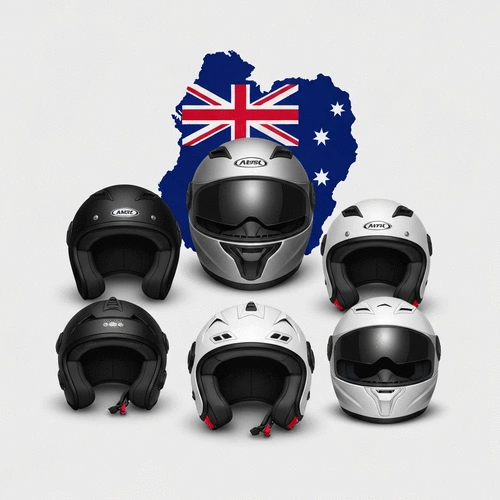
This visual compares the key safety standards, CRASH ratings, and impact testing methods for motorcycle helmets in Australia, ensuring riders can make informed decisions.
Safety Standards Overview
Understanding the mandatory and recognized helmet standards in Australia is crucial for rider safety.
- AS/NZS 1698: Mandatory for helmets sold in Australia, focusing on impact absorption.
- ECE 22.06: Global standard, ensuring rigorous performance tests.
CRASH Ratings & Stars
CRASH ratings evaluate helmet performance, helping riders choose the best protection.
- Star Ratings: Up to five stars, with five indicating highest safety.
- Criteria: Impact absorption, visibility, and comfort are key factors.
Impact Testing Methods
Rigorous tests ensure helmets can withstand accident forces and protect riders.
- Drop Tests: Measures impact absorption from specific heights.
- Penetration Tests: Checks resistance against sharp objects.
- Retention Tests: Ensures helmet stays in place during a fall.
Understanding Motorcycle Helmet Safety Standards in Australia
When it comes to motorcycle safety, understanding helmet safety standards is crucial for every rider. In Australia, helmets are not just a recommendation—they're a requirement. Knowing what standards to look for can make all the difference in ensuring your safety on the road. The two most recognized standards are AS/NZS 1698 and ECE 22.06, each providing a framework for testing helmets to ensure they meet rigorous safety criteria.
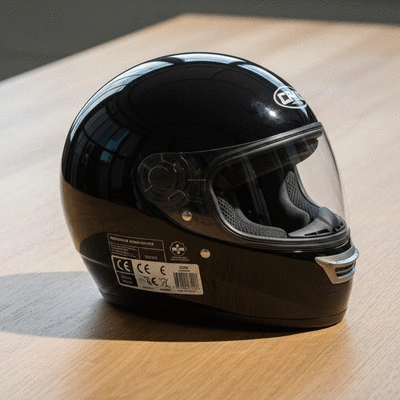
The AS/NZS 1698 standard is focused specifically on Australian and New Zealand regulations, while the ECE 22.06 is recognized more broadly across international markets. Both standards assess the impact resistance and overall performance of helmets, ensuring that when you wear one, you’re protected from potential accidents. For detailed information on rider requirements, check out our motor bike licence guide NSW.
Overview of Australian Safety Regulations
- AS/NZS 1698: This standard is mandatory for all helmets sold in Australia and emphasizes impact absorption.
- ECE 22.06: A European standard that has gained recognition globally, ensuring helmets pass rigorous performance tests.
- Compliance Labels: Look for tags within the helmet that indicate compliance with these safety standards.
Both standards are essential for making informed decisions about helmet purchases. Always check for compliance labels to ensure that the helmet you choose meets the necessary safety regulations.
Interpreting CRASH Ratings and Star Systems
CRASH ratings are another important aspect of helmet safety that riders should consider. This rating system evaluates helmets based on their performance in different categories, providing a clear picture of how well a helmet can protect you in various scenarios. Understanding these ratings can be a game-changer when deciding which helmet to buy.
- Star Ratings: Helmets are often rated from one to five stars, with five indicating the highest level of safety.
- Testing Criteria: Ratings take into account impact absorption, visibility, and comfort, among other factors.
- Reputation: Helmets with higher star ratings are typically more trusted among riders and safety advocates.
By familiarizing yourself with CRASH ratings, you can confidently select a helmet that offers the best protection, ensuring peace of mind every time you ride.
Impact Testing: Ensuring Helmet Integrity
Impact resistance is paramount when it comes to helmet safety. Helmets undergo rigorous testing to ensure they can withstand the forces of an accident. These tests simulate real-world conditions to assess how well a helmet can protect your head.

- Drop Tests: Helmets are dropped from a specific height to measure how well they can absorb impact.
- Penetration Tests: These tests determine if a helmet can resist sharp objects during an accident.
- Retention Tests: This checks how well the helmet stays in place during a fall, ensuring it doesn’t come off easily.
Understanding these testing methods gives you a clearer picture of what a helmet can do for your safety. When shopping for a helmet, always look for ones that have passed these critical impact tests. Remember, a helmet that has been thoroughly tested is your best friend on the road! You can also enhance your safety by choosing appropriate motorcycle boots for Aussie riders.
Pro Tip
When choosing a motorcycle helmet, always prioritize fit over brand. A well-fitted helmet can significantly enhance your safety, as it ensures optimal protection during an accident. Make sure to try on several helmets and adjust the straps for a snug but comfortable fit before making a purchase.
Frequently Asked Questions (FAQs)
Summarizing Key Takeaways on Motorcycle Helmets
As we wrap up our discussion on motorcycle helmets, it's crucial to remember the key safety standards that protect riders on the road. In Australia, standards like AS/NZS 1698 and ECE 22.06 ensure that helmets are rigorously tested for safety and performance. Additionally, helmets with high CRASH ratings provide extra assurance for your protection. This foundational knowledge is vital as you navigate the helmet selection process.
When considering your options, keep an eye on the top-rated helmets, such as the Kabuto F17 GP MIPS, recognized for their excellent safety performance. Don't forget to factor in the comfort and fit of the helmet, as well as essential features like ventilation and fog resistance. With these aspects in mind, choosing a helmet becomes much clearer!
- Understand safety standards: AS/NZS 1698, ECE 22.06
- Look for high CRASH ratings for better protection
- Consider top-rated helmets for safety performance
- Prioritize comfort, fit, and essential features
By summarizing these takeaways, I hope you feel more informed about the important factors in helmet selection. Your safety is paramount, and taking the time to evaluate your options will pay off! You might also find our guide on motor bike licence guide NSW 2026 helpful for comprehensive riding information.
Encouraging Informed Decisions for Safe Riding
At Motor Bike Hub, we believe in empowering riders with the knowledge they need to make educated decisions. It's essential to assess your individual needs when selecting a motorcycle helmet. Are you looking for something lightweight for daily commutes, or do you want maximum protection for long rides? Understanding your riding style will guide you in choosing the right helmet.
As you weigh your options, remember to consider the safety ratings, comfort, and features that best suit your riding experience. Taking these elements into account will enhance your confidence on the road. Trust me, a well-chosen helmet makes a world of difference!
Downloadable Resource: Personalized Checklist for Helmet Selection
To make your helmet selection easier, I've created a handy personalized checklist that you can download. This checklist will help you evaluate the safety features, comfort levels, and specific needs for your riding style. Just click the link below to get your copy and take a confident step toward safer riding!
Recap of Key Points
Here is a quick recap of the important points discussed in the article:
- Understand the key safety standards: AS/NZS 1698 and ECE 22.06 for helmet safety.
- Look for compliance labels on helmets to ensure they meet necessary safety regulations.
- Familiarize yourself with CRASH ratings and star systems to evaluate helmet performance.
- Prioritize helmets that have passed rigorous impact testing (drop, penetration, and retention tests).
- Consider comfort, fit, and essential features like ventilation and fog resistance when choosing a helmet.