Are you ready to take the next step toward your biking adventure? Understanding the requirements for obtaining your motorbike licence in South Australia is essential for a safe and enjoyable riding experience. Let’s break it down into easy-to-digest points!
What You Will Learn
- The R-Date licence is a provisional licence necessary for riders over 16 years with engine capacities over 200cc.
- Eligibility criteria include holding a learner's permit for at least 12 months and completing the RiderSafe Pre-Learner Course.
- Medical assessments may be required based on health conditions to ensure safe riding capabilities.
- Understanding the differences between restricted and full licences can help you plan your riding journey effectively.
- Key steps in the application process include passing the Hazard Perception Test and completing a practical riding assessment.
- Engaging with community support and safety programs enhances your riding skills and builds a supportive network.
Motorbike Licence SA: Key Milestones and Requirements
Navigating the path to obtaining your motorbike licence in South Australia involves a series of structured steps and eligibility criteria designed to ensure rider safety and competence. This overview highlights the progression from initial learning to full licensure. For a detailed guide on the process, you can refer to our Motor Bike License Guide SA.
Stage 1: Learner's Permit & Pre-Learner Course
- Complete Basic RiderSafe Pre-Learner Course
- Hold learner's permit for at least 12 months.
- Pass Hazard Perception Test.
Stage 2: R-Date Licence Requirements
- Minimum age: 16 years.
- Completion of Pre-Licence Course.
- Pass practical riding assessment.
Stage 3: Restricted vs. Full Licence
- Restricted Licence: Limits on engine size (>200cc) and passengers.
- Transition to full licence after 12 months restricted.
- Full Licence: Unlimited riding capabilities.
Understanding the Motorbike Licence SA Requirements
Are you excited to get on the road with your very own bike? Understanding the motorbike licence requirements in South Australia (SA) is your first step. The process can feel a bit overwhelming, but I'm here to break it down for you. Let’s dive into what you need to know to get started on your riding journey!
What is the R-Date Licence and Who Needs It?
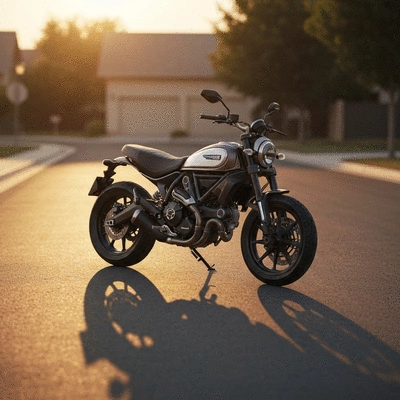
The R-Date licence is a crucial step for anyone looking to ride a motorbike in SA. Essentially, it's a provisional licence that allows new riders to gain experience on the road. If you're planning to ride a bike with an engine capacity of over 200cc, you will need this licence. It's a great way to ensure that you have the skills and knowledge to ride safely and confidently.
- Required for riders over 16 years old.
- Essential for those who have completed their learner's permit.
- Allows you to progress towards a full licence after gaining riding experience.
In my experience, many new riders find that the R-Date licence provides a supportive bridge to becoming a confident motorbike operator. With the right training and practice, you'll soon be zipping along the roads! If you are considering electric bikes, be sure to check specific licensing requirements as they can differ.
Key Eligibility Criteria for Obtaining a Motorbike Licence in SA
Before you get too excited, it's important to ensure that you meet the eligibility criteria for your motorbike licence in SA. Here’s what you need:
- Must have held a learner's permit for at least 12 months.
- Completion of the Basic RiderSafe Pre-Learner Course.
- Be at least 16 years old to apply for the R-Date licence.
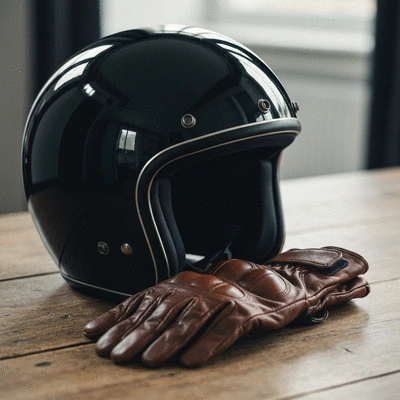
Meeting these criteria not only sets you on the right path but also lays the groundwork for safe riding practices. Remember, we all want to have fun while riding, but safety should always come first!
Age Limitations and Medical Requirements for Motorbike Licence Applicants
Age plays a significant role in the licensing process. As mentioned, you must be at least 16 years old to apply for the R-Date licence. However, there are also medical requirements that you need to be aware of. For instance, you'll need to provide a medical certificate if you have any conditions that might affect your ability to ride safely.
- Minimum age: 16 years for R-Date licence.
- Medical assessment may be required based on health conditions.
- Always be honest during your application process!
These regulations are in place to ensure that all riders are fit to operate a motorbike safely. It's about protecting not just yourself, but also everyone else on the road!
Overview of Licence Types: Full Licence vs. Restricted Licence
Once you obtain your R-Date licence, you're on the path to a full licence, but what’s the difference? A restricted licence comes with limitations, such as a maximum engine capacity and restrictions on carrying passengers. In contrast, a full licence allows you the freedom to ride any motorbike without those restrictions.
- Restricted Licence: Limits on engine size and passenger allowance.
- Full Licence: Unlimited riding capabilities once obtained.
- Transition to full licence typically occurs after a minimum of 12 months on a restricted licence.
Understanding these differences can help you plan your riding journey more effectively. It’s all about building your confidence and skills without rushing into the full experience!
Step-by-Step Process to Obtain Your Motorbike Licence
Now that you understand the requirements, let’s get into the nitty-gritty of obtaining your motorbike licence. Each step is designed to enhance your safety and riding skills, ensuring you're well-prepared for the road.
Pro Tip
Did you know? Joining a local motorcycle club can greatly enhance your riding experience! Not only will you gain access to valuable tips and insights from seasoned riders, but you’ll also have the opportunity to participate in group rides and workshops that focus on safety and skill development. Getting involved in the community can make all the difference on your journey to becoming a confident motorbike operator!
Frequently Asked Questions About Motorbike Licences in SA
Here are some common questions to help clarify the process of obtaining your motorbike licence in South Australia.
Recap of the Motorbike Licence Application Journey
As we wrap up our exploration of the motorbike licence application process in South Australia, it's important to highlight the key steps and requirements you need to keep in mind. Obtaining your licence is not just about the paperwork; it’s about ensuring you’re fully prepared for the open road!
Here’s a quick summary of the vital steps involved:
- Start with obtaining your Learner's Permit by completing the Basic RiderSafe Pre-Learner Course.
- Pass the Hazard Perception Test, which assesses your ability to anticipate hazards on the road.
- Complete the R-Date Licence process, which includes a Pre-Licence Course and a practical riding assessment.
- Submit your application through Service SA and book your road test.
By following these steps, you’ll be well on your way to becoming a licensed motorbike rider in SA! Remember, proper preparation leads to a smoother application journey.
Final Thoughts on the Value of Getting Your Licence in SA
Getting your motorbike licence in South Australia isn’t just a legal requirement; it’s a gateway to freedom and adventure. With a licence, you can explore the beautiful landscapes and vibrant cities of Australia on two wheels. Imagine the thrill of riding along the coast or through the hills!
Moreover, having your licence signifies that you’ve taken the necessary steps to ensure your safety and the safety of others on the road. It’s about being a responsible rider and contributing to a safer biking community. You will also gain access to various resources and support systems that can enrich your riding experience.
Next Steps: Preparing for Your Application
Utilizing Resources and Tools for a Successful Licence Application
Now that you understand the journey towards obtaining your motorbike licence, it’s crucial to gather the resources and tools you’ll need. Consider the following options:
- Online resources like Motorbike Hub for comprehensive guides and tips.
- Local riding schools that offer courses tailored to your needs.
- Peer feedback from fellow riders to gain insights into their experiences.
These resources can be invaluable in helping you navigate the application process smoothly!
Community Safety Programs and Motorcycle Clubs as Supportive Resources
Engaging with the biking community can provide both support and encouragement. Community safety programs and motorcycle clubs are great places to connect with fellow enthusiasts. They offer:
- Workshops on safe riding practices.
- Opportunities for group rides to enhance your skills.
- Access to experienced riders who can share tips and advice.
By joining these communities, you not only improve your riding skills but also build lifelong friendships.
Encouragement to Take Action and Start Your Riding Journey
So, are you ready to take the next step? Applying for your motorbike licence might seem daunting, but remember, every great journey begins with a single step! At Motorbike Hub, we believe in empowering Australian riders to pursue their passion for biking. For those just starting, our motorcycle learner licence guide for Australia can provide additional insights.
Don’t hesitate to reach out for support, and take action today. Imagine the joy of cruising down the road with the wind in your hair! Your adventure awaits—let’s get you started on this thrilling journey! 🚀
Recap of Key Points
Here is a quick recap of the important points discussed in the article:
- The R-Date licence is essential for riders over 16 years old who have completed their learner's permit.
- Eligibility criteria include holding a learner's permit for at least 12 months and completing the Basic RiderSafe Pre-Learner Course.
- Be aware of age limitations and medical requirements to ensure safety while riding.
- Understand the difference between a restricted licence and a full licence, including the limitations of each.
- Follow the step-by-step process to obtain your motorbike licence, starting with the Learner's Permit and culminating in your practical riding assessments.